


Heavy AI users rejoice. OpenAI has rolled out new options aimed at accelerating the stuff you're already doing and making it safer.
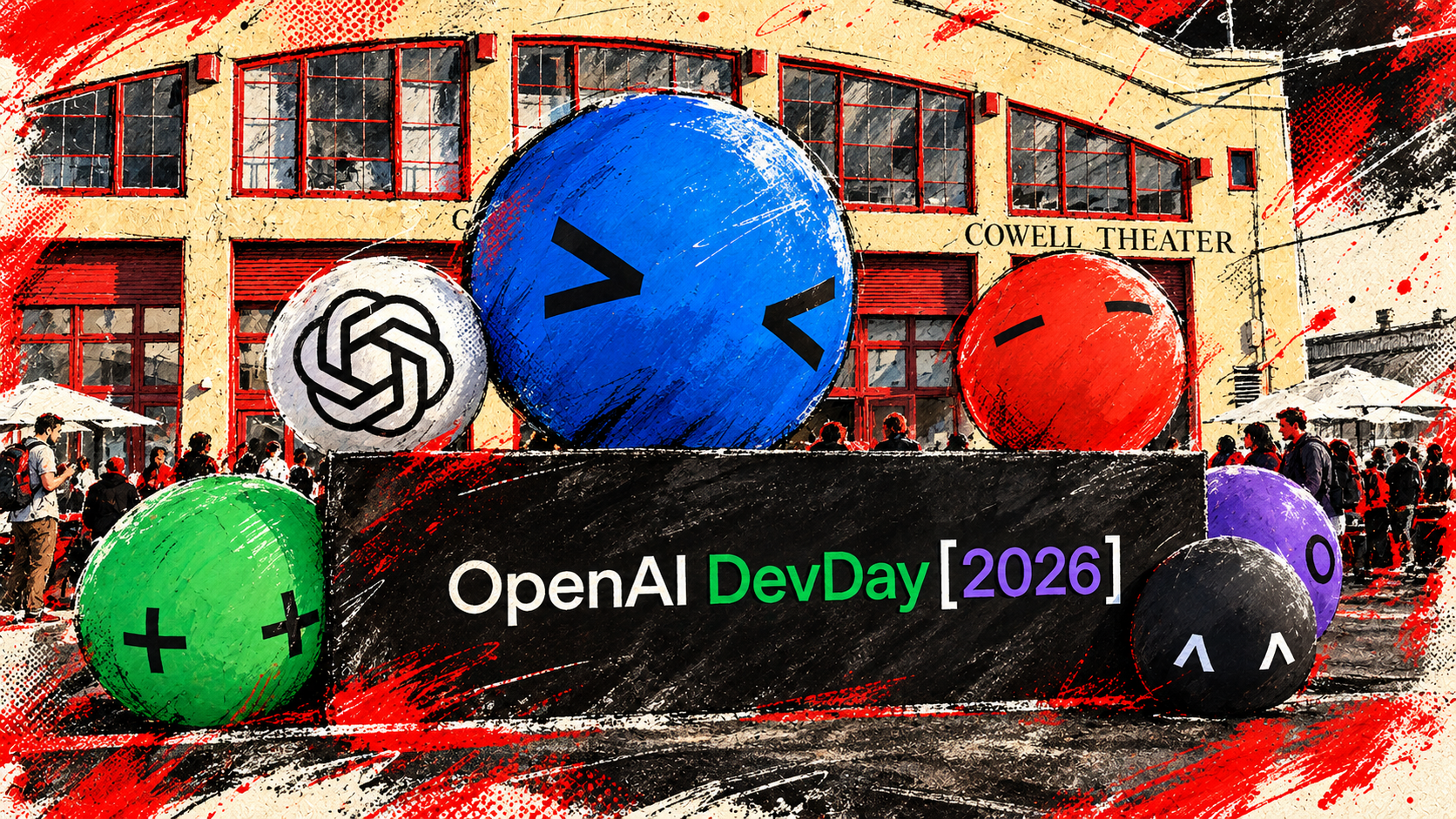
On Tuesday, at the company's fourth annual DevDay event in San Francisco, OpenAI showed off its new "Dots" strategy with AI agents that are always-on and run in their own separate cloud computer. Sound familiar? Yeah, it's not unlike Meta's new Muse agent that went viral this month, but OpenAI's agent is more focused on power users. See Sabrina Ortiz's full breakdown on Dots.
While Dots may have stole the headlines, OpenAI also unveiled other new features that dedicated ChatGPT and Codex users should note:
- GPT-6.1 Sol: OpenAI's latest model provides "near Astra intelligence" at a fifth of the price. The model sports improved performance in agentic coding, computer use and professional work, and runs $2 per million input tokens, 10 cents per million cached tokens, and $10 per million output tokens.
- ChatGPT Space: This is a collaborative workspace where you, your teammates and AI can work together. Spaces also allows users to keep everything they share with and create in ChatGPT in one place. It will also let you collaborate in a shared workspace similar to the way you might in a shared Google Doc.
- New $500/month plan and Ultrafast: OpenAI is creating a high-end tier that offers access to Ultrafast, which delivers up to eight times the speed in Codex using GPT-6 Astra and six times the speed in the API. However, For those on the $200 per month Pro plan, included usage of ChatGPT Work and Codex decreases from 20 times to 10 times that of the Plus allowance, and GPT-6 Pro messages in ChatGPT will be cut from 200 to 100 per week.
- Codex in the cloud: Codex can now start, review, and continue work from the desktop app, the mobile app, or the web. And since it's not limited to working on just the local files on your machine, you can move between devices much more easily.
- Plugin extensions: Developers can now build applications and plugins that are native to ChatGPT and Codex, and can reach more users with improved submission and discovery. And now those plugins will appear in the sidebar on the left side of your ChatGPT window, with services like Adobe and Figma being some of the first ones there at launch.
- Private Intelligence: OpenAI has enabled zero data retention and private safety processing policies for offline, automated safety reviews. Additionally, Private Inference will be available in preview, bringing strict control to confidential computing.
- OpenAI Marketplace: Eligible US-based enterprise customers can apply their existing OpenAI token spend towards approved third-party software. This marketplace is launching in beta with 32 partners, including Adobe, Figma, Sierra, and Harvey.
Our Deeper View
While it would be easy to look at OpenAI's DevDay as its answer to Meta's newfound momentum in the AI space, the reality is actually quite different. Meta's Muse agent is primarily focused on the consumer space and bringing agents to the masses with its focus on cute interactive avatars and wide publicity across Instagram and Facebook. OpenAI has lessened its focus on consumer AI in 2026 and leaned into enterprises, developers, and power users, and DevDay only doubled down on that strategy. Meta's agent is open to all and has generous token allotments based on Meta's strategy of eventually taking a percentage when you use Muse to sell stuff and make money. OpenAI is only offering its new agent to its highest-tier Pro and Business Premium customers. So OpenAI's focus is on its most-invested AI builders and organizations. And that strategy is supported by all of the other features it released around Dots on Tuesday, from Private Intelligence to GPT-6.1 Sol to its new Ultrafast feature. All of these things are aimed much more at competing with Anthropic for power users than competing with Meta for consumers.